
Die Spotting Press vs Injection Molding Machine: Which is Better for Mold Trials?
Introduction
Many mold manufacturers and tool rooms use injection molding machines for mold testing and spotting. While this approach may seem practical, it often leads to higher operating costs, longer trial cycles, and unnecessary machine downtime.
As mold complexity continues to increase, manufacturers are adopting dedicated Die Spotting Presses to streamline mold development and reduce production bottlenecks.
This article compares Die Spotting Presses and Injection Molding Machines to help manufacturers choose the right solution for mold trials, mold correction, and quality improvement.
Understanding the Purpose of Each Machine
What is a Die Spotting Press?
A Die Spotting Press is a specialized machine designed specifically for:
Mold matching
Blue spotting
Mold correction
Mold inspection
Ejector testing
Core pull testing
Alignment verification
The primary objective is to ensure perfect mold fitting before production begins.
What is an Injection Molding Machine?
An Injection Molding Machine is designed for:
Plastic part production
Production validation
Material testing
Process optimization
High-volume manufacturing
Its purpose is manufacturing, not mold development.
Key Differences Between Die Spotting Press and Injection Molding Machine
| Feature | Die Spotting Press | Injection Molding Machine |
|---|---|---|
| Primary Function | Mold inspection & correction | Product manufacturing |
| Mold Accessibility | Excellent | Limited |
| Safety During Inspection | High | Moderate |
| Mold Adjustment Efficiency | Very High | Low |
| Production Downtime | None | High |
| Operating Cost | Lower | Higher |
| Mold Matching Accuracy | Excellent | Moderate |
| Maintenance Accessibility | Easy | Difficult |
Why Tool Rooms Prefer Die Spotting Presses
Faster Mold Corrections
During mold manufacturing, multiple spotting and correction cycles are required.
A Die Spotting Press allows engineers to:
Open molds completely
Inspect contact surfaces
Apply spotting compounds
Make corrections immediately
This process dramatically reduces trial-and-error cycles.
Improved Visibility
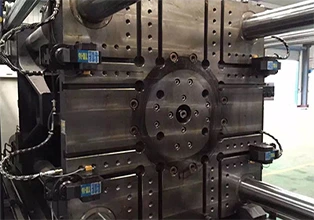
One of the biggest limitations of an injection molding machine is restricted access to the mold.
Engineers often struggle to inspect:
Core surfaces
Cavities
Parting lines
Ejector systems
A Die Spotting Press provides full access, making inspections faster and more accurate.
Better Mold Alignment
Poor mold alignment can cause:
Flash defects
Uneven filling
Dimensional inaccuracies
Premature mold wear
Die Spotting Presses are specifically designed to identify alignment issues before production starts.
Cost Comparison
Many manufacturers assume using an existing injection molding machine saves money.
However, the hidden costs are significant:
Production Downtime
Every hour spent spotting molds is an hour not producing saleable products.
Higher Energy Consumption
Injection molding machines consume more energy during testing cycles.
Increased Labor Hours
Multiple assembly and disassembly cycles increase labor costs.
Extended Lead Times
Longer mold development delays customer deliveries.
Safety Comparison
Risks with Injection Molding Machines
Common challenges include:
Limited access during inspection
Difficult mold handling
Increased risk during adjustments
Restricted visibility
Advantages of Die Spotting Presses
Modern Die Spotting Presses offer:
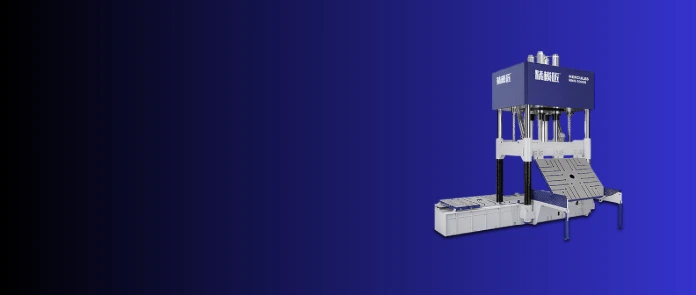
Controlled platen movement
Tilting platens
Better accessibility
Enhanced operator safety
Improved mold handling
Safety improvements are particularly important when handling large molds weighing several tons.
Impact on Mold Quality
High-quality molds require:
Accurate cavity matching
Uniform contact surfaces
Precise ejector alignment
Proper venting
A Die Spotting Press helps manufacturers achieve these requirements consistently.
The result is:
Better part quality
Reduced scrap
Faster mold approval
Improved customer satisfaction
Industries Benefiting Most
Automotive
Automotive molds often involve highly complex geometries and tight tolerances.
Consumer Electronics
Small dimensional errors can lead to assembly failures.
Medical Device Manufacturing
Precision and repeatability are essential.
Packaging Industry
High-cavity molds require perfect matching to maintain production efficiency.
When Should You Invest in a Die Spotting Press?
A dedicated Die Spotting Press becomes valuable when:
You manufacture molds regularly.
Mold corrections take too long.
Production machines are frequently occupied for mold trials.
Customers demand faster delivery.
Mold complexity continues to increase.
For most medium and large tool rooms, the return on investment is often achieved through reduced rework and shorter project timelines.
Future of Mold Development
Modern manufacturing is moving toward:
Tool room automation
Faster mold development
Reduced labor dependency
Higher precision engineering
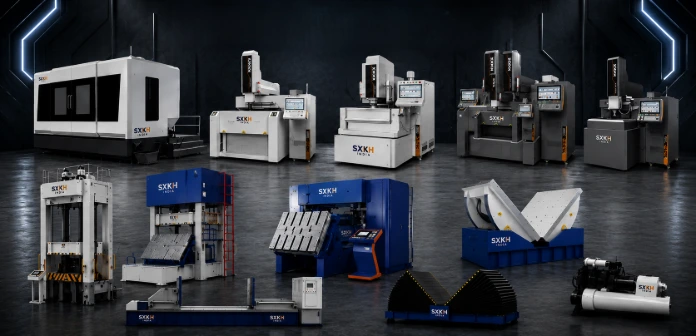
Die Spotting Presses are becoming a standard part of advanced tool rooms because they support all these objectives.
Manufacturers that continue relying solely on injection molding machines for mold spotting may face longer lead times and higher operating costs compared to competitors using dedicated spotting equipment.
Conclusion
While Injection Molding Machines are essential for production, they are not optimized for mold development and correction.
A Die Spotting Press provides better accessibility, greater accuracy, improved safety, lower operating costs, and significantly faster mold validation.
For manufacturers focused on reducing development time and improving mold quality, investing in a dedicated Die Spotting Press is a strategic decision that delivers long-term operational benefits and a strong competitive advantage.
Latest Stories
Explore fresh ideas and updates from our editorial team.